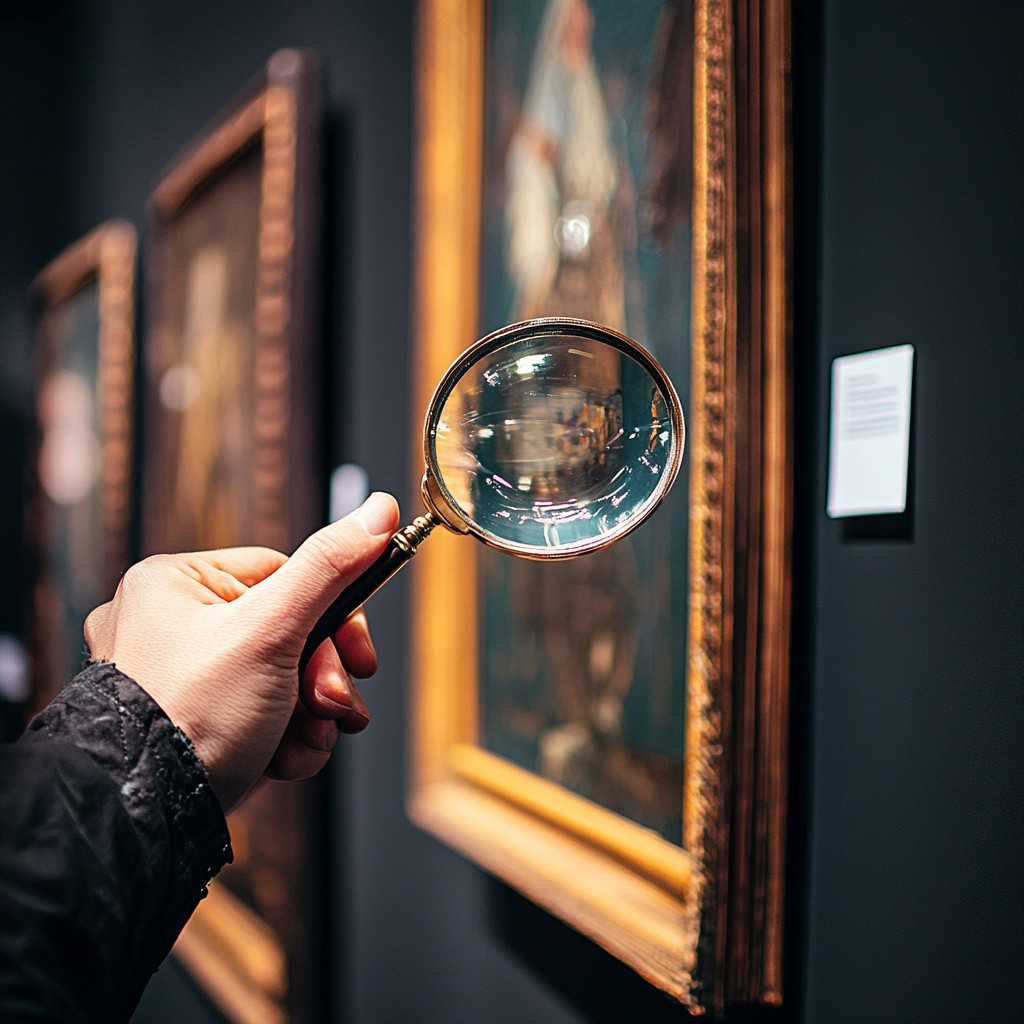
If you wish to sell your painting, you must be able to show that it is authentic.
For centuries, before high-quality color printing existed, if you wanted an image of a painting, you needed a hand-painted copy. Copyists were everywhere, creating replicas. At the same time, aspiring painters honed their craft by copying masterpieces, resulting in millions of copies, ranging from poor imitations to remarkably skilled reproductions. Today, these old copies continue to appear around the world, often mistaken for originals.
Then came the digital age. Since the 1990s, high-resolution images and online access have fueled an explosion of new copies, imitations, and outright forgeries. Talented art students worldwide can now earn a living producing convincing fakes. The sheer volume of these works entering the market is staggering. For every original masterpiece, there are 50—or even 100—copies or forgeries.
This makes an unauthenticated painting extremely difficult to sell—buyers may assume it’s a copy or forgery, significantly lowering its value. Authentication protects your investment, ensures trust, and maximizes the painting’s market value.
Our team of experts, with 25 years of experience, works globally to protect your investment. We have an international team of experienced PhDs. We speak 21 languages, and, most importantly, we’ve never made a mistake. If you need to know if a painting is genuine, we’ll find out.

 Languages
 简体中文
 বাংলা
 slovenščina
 繁體中文(香港)
 català
 Bahasa Melayu
 Nederlands
 svenska
 繁體中文(台灣)
 čeština
 Íslenska
 norsk
 suomi
 dansk
 Bahasa Indonesia
 polski
 français
 eesti
 日本語
 português
 Türkçe
 Deutsch
 ქართული
 한국어
 română
 українська
 Italiano
 ελληνικά
 lietuvių
 Русский
 اردو
 اعربي
 עברית
 magyar
 Slovenščina