Georges Braque (1882-1963)
Get a Georges Braque (1882-1963) Certificate of Authenticity for your painting (COA) for your Georges Braque (1882-1963) drawing.
For all your Georges Braque (1882-1963) artworks you need a Certificate of Authenticity (COA) in order to sell, to insure or to donate for a tax deduction.
Getting a Georges Braque (1882-1963) Certificate of Authenticity (COA) is easy. Just send us photos and dimensions and tell us what you know about the origin or history of your Georges Braque (1882-1963) painting or drawing.
If you want to sell your Georges Braque (1882-1963) painting or drawing use our selling services. We offer Georges Braque (1882-1963) selling help, selling advice, private treaty sales and full brokerage.
We have been authenticating Georges Braque (1882-1963) and issuing certificates of authenticity since 2002. We are recognized Georges Braque (1882-1963) experts and Georges Braque (1882-1963) certified appraisers. We issue COAs and appraisals for all Georges Braque (1882-1963) artworks.
Our Georges Braque (1882-1963) paintings and drawings authentications are accepted and respected worldwide.
Each COA is backed by in-depth research and analysis authentication reports.
The Georges Braque (1882-1963) certificates of authenticity we issue are based on solid, reliable and fully referenced art investigations, authentication research, analytical work and forensic studies.
We are available to examine your Georges Braque (1882-1963) painting or drawing anywhere in the world.
You will generally receive your certificates of authenticity and authentication report within two weeks. Some complicated cases with difficult to research Georges Braque (1882-1963) paintings or drawings take longer.
Our clients include Georges Braque (1882-1963) collectors, investors, tax authorities, insurance adjusters, appraisers, valuers, auctioneers, Federal agencies and many law firms.
We perform Georges Braque art authentication, appraisal, certificates of authenticity (COA), analysis, research, scientific tests, full art authentications. We will help you sell your Georges Braque or we will sell it for you.
Born in Agenteuil-sur-Seine, France, Georges Braque would join Pablo Picasso as becoming the founders of Cubism. Braque originally started as a house painter, but moved to Paris in 1902 where he attended the Academie Humbert studying art. Braque had his first exhibition at the Salon des Independents in 1905. He initially painted in the style of the Fauves until 1907, and was infatuated with their bold colors and wild brush strokes.
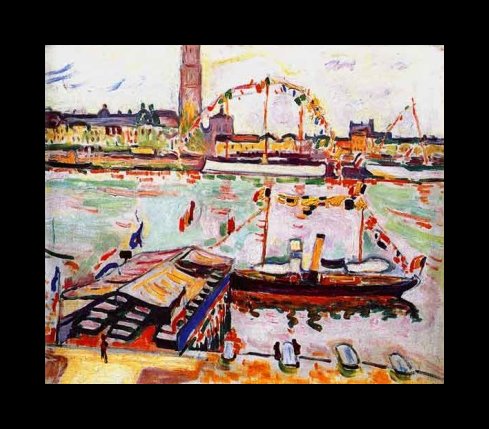
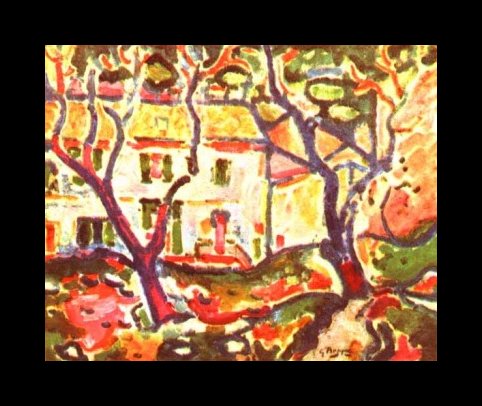
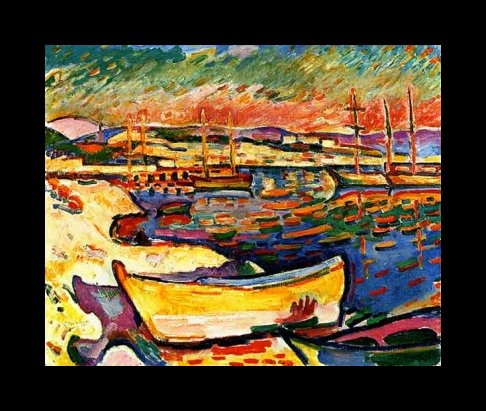
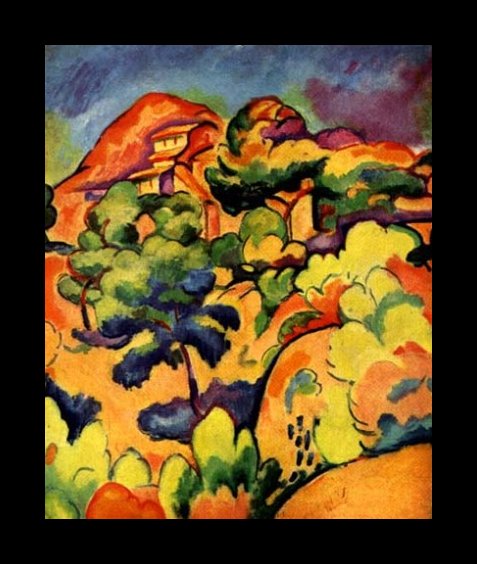
By 1908, Braque had discovered Cezanne and it is said that this influence is what triggered the Cubist movement. From this time until 1913, Braque studied light and emulated Cezanne’s style. Braque met Picasso in 1909 and discovered that he too was working on simplified “cube” forms and light study.
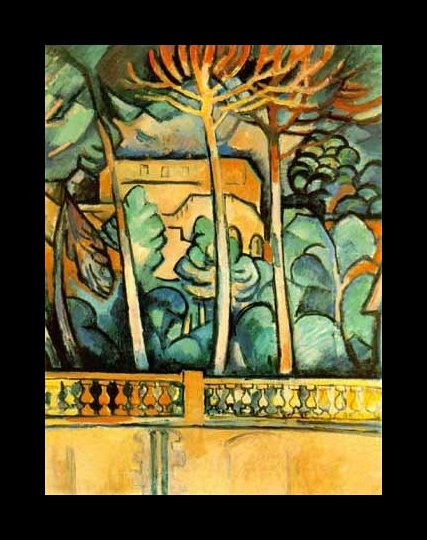
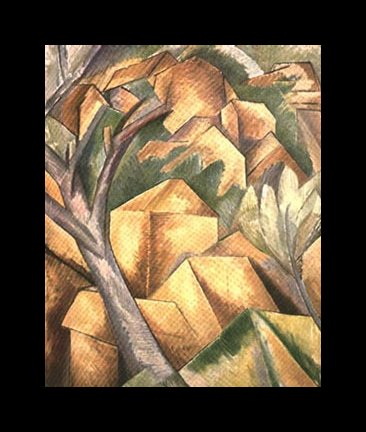
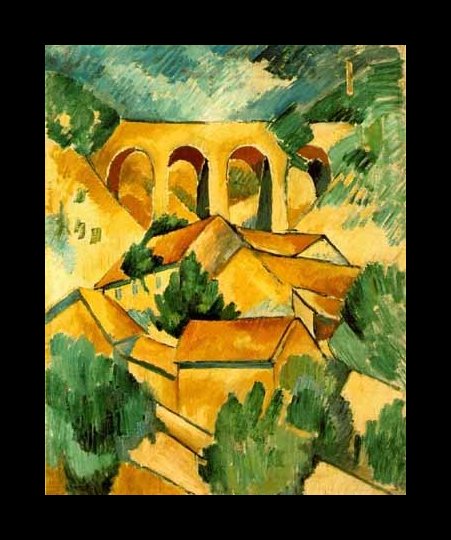
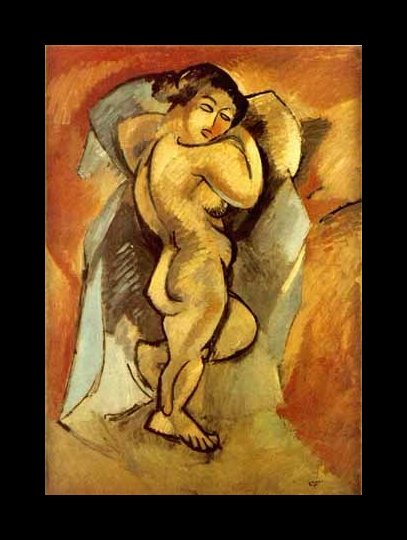
The two artists continued to work together, trying new styles like collage until Braque was mobilized for World War I in 1914.
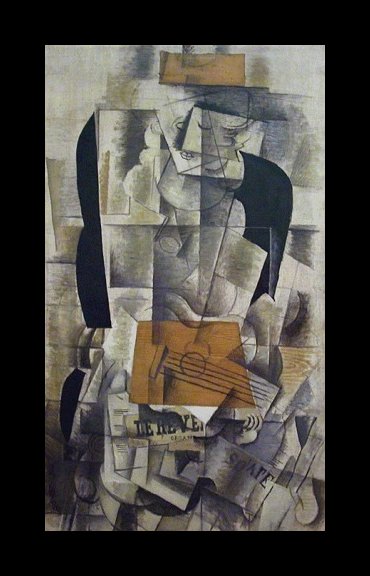
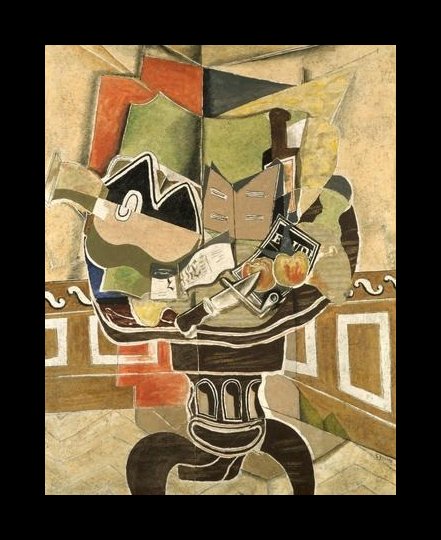
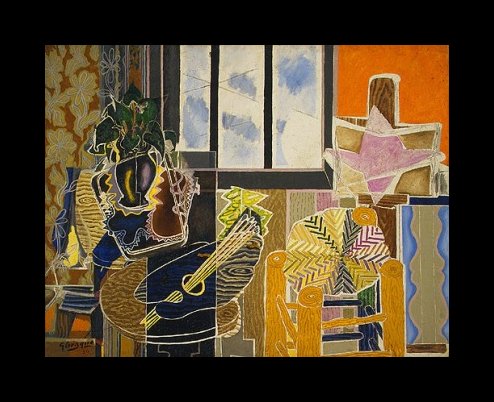
Wounded from the war, Braque returned to Paris in 1917, and continued working without Picasso. Braque continued painting for the rest of his life, and like Picasso, started focusing more on the human form as opposed to landscape. During his lifetime he also worked in prints and sculpture, as well as engraving, typography and wood graining. In the 1920s, Braque’s style touched on Classical, but he still retained his Cubist and Fauve styles. By the 1950s, Braque’s health had deteriorated and his work began to slow down. At this time, he was making prints more in the style of his earlier Fauve work.
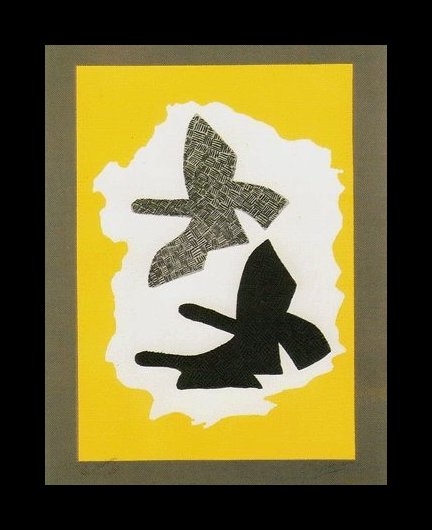
Though he worked directly alongside Picasso, there is no mistaking their work. While they were both the first to paint in the style of Cubism (Analytical and Synthetic), their works are distinctly different. Sadly, Braque’s name is not as well known as his old friend Picasso. However, Braque held an honor that any artist would dream of: his work was the first ever to be housed in the Louvre during an artists lifetime.
Georges Braque art authentication. Georges Braque appraisal from . Georges Braque certificates of authenticity (COA). Georges Braque analysis, research, scientific tests, full art authentications. We will help you sell your Georges Braque or we will sell it for you.