Samuel Howitt (1756-1822)
Get a Howitt Certificate of Authenticity for your painting (COA) for your Howitt drawing.
For all your Howitt artworks you need a Certificate of Authenticity (COA) in order to sell, to insure or to donate for a tax deduction.
Getting a Howitt Certificate of Authenticity (COA) is easy. Just send us photos and dimensions and tell us what you know about the origin or history of your Howitt painting or drawing.
If you want to sell your Howitt painting or drawing use our selling services. We offer Howitt selling help, selling advice, private treaty sales and full brokerage.
We have been authenticating Howitt and issuing certificates of authenticity since 2002. We are recognized Howitt experts and Howitt certified appraisers. We issue COAs and appraisals for all Howitt artworks.
Our Howitt paintings and drawings authentications are accepted and respected worldwide.
Each COA is backed by in-depth research and analysis authentication reports.
The Howitt certificates of authenticity we issue are based on solid, reliable and fully referenced art investigations, authentication research, analytical work and forensic studies.
We are available to examine your Howitt painting or drawing anywhere in the world.
You will generally receive your certificates of authenticity and authentication report within two weeks. Some complicated cases with difficult to research Howitt paintings or drawings take longer.
Our clients include Howitt collectors, investors, tax authorities, insurance adjusters, appraisers, valuers, auctioneers, Federal agencies and many law firms.
We perform Samuel Howitt art authentication, appraisal, certificates of authenticity (COA), analysis, research, scientific tests, full art authentications. We will help you sell your Samuel Howitt or we will sell it for you.

Samuel Howitt was an artist from England. He was born into a wealthy Quaker family in Nottinghamshire, England. He began painting as a hobby and to amuse his friends. Hunting and racing were his hobbies and he mimicked this interest in his work. Howitt’s family experienced financial difficulties, so Howitt decided to move to London.

In London, Howitt made a career out of his talent, flourishing as a professional artist. He was published often in The Sporting Magazine and went on to illustrate various books. Howitt is best known for his lively and exotic sporting scenes. His superior watercolors and aquatints depict dramatic racing and hunting scenes as well as an array of conventional and exotic animals.
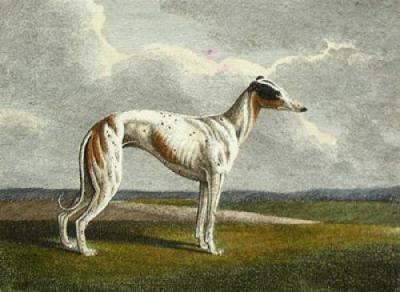
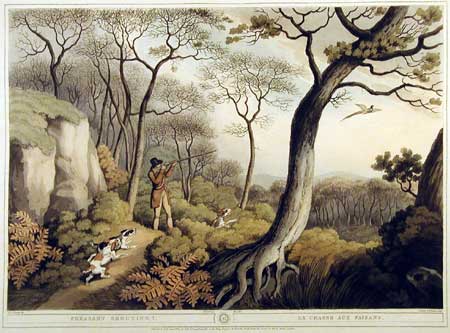
Samuel HOWITT (1756-1822) Howitt’s work is included in the Mellon Collection, which possesses no fewer than 160 of his watercolors, and many of his aquatints. Howitt exhibited at the Royal Academy and illustrated several books, including his own entitled The British Sportsman c.1812 and British Preserve c.1824. Samuel Howitt, “genius, artist, sportsman”, concentrated his considerable artistic talents on picturing scenes of horse-racing and hunting in all its aspects. Born in Nottinghamshire, England, Howitt was largely self-taught ,”although he must have been helped by his companions George Morland, Rowlandson and John Raphael Smith. Howitt’s watercolours of hunting, shooting and racing have delightful spontaneity. An enthusiastic sportsman himself, he had sufficient family money to paint at first only for his own and his friends pleasure. However, this fortune was quickly dissipated and Howitt moved to London… [He made a living], partly by etching at which he was extremely skilled. As an artist he was prolific. more than 150 of his designs were published in The Sporting Magazine. He illustrated Beckford’s Thoughts on Hunting, and other books, including Orme’s Collection of British Field Sports… The light touch of his pen, the delicacy of his brushwork and his experience of field sports ensured all that he drew was animated and accurate.” During the nineteenth century, field sports, particularly the hunting of wild game, were a common colonial leisure activity in India and Africa. Large-game hunting, the pursual of animals such as elephants, lions, and tigers, was considered to be the most prestigious, thrilling, and dangerous type of hunting.
Still wondering about a British painting in your family collection? Contact us…it could be by Samuel Howitt.