Kasimir Malevich (Kaзимир Северинович Малевич) (1878-1935)
Get a Malevich Certificate of Authenticity for your painting (COA) for your Malevich drawing.
For all your Malevich artworks you need a Certificate of Authenticity (COA) in order to sell, to insure or to donate for a tax deduction.
Getting a Malevich Certificate of Authenticity (COA) is easy. Just send us photos and dimensions and tell us what you know about the origin or history of your Malevich painting or drawing.
If you want to sell your Malevich painting or drawing use our selling services. We offer Malevich selling help, selling advice, private treaty sales and full brokerage.
We have been authenticating Malevich and issuing certificates of authenticity since 2002. We are recognized Malevich experts and Malevich certified appraisers. We issue COAs and appraisals for all Malevich artworks.
Our Malevich paintings and drawings authentications are accepted and respected worldwide.
Each COA is backed by in-depth research and analysis authentication reports.
The Malevich certificates of authenticity we issue are based on solid, reliable and fully referenced art investigations, authentication research, analytical work and forensic studies.
We are available to examine your Malevich painting or drawing anywhere in the world.
You will generally receive your certificates of authenticity and authentication report within two weeks. Some complicated cases with difficult to research Malevich paintings or drawings take longer.
Our clients include Malevich collectors, investors, tax authorities, insurance adjusters, appraisers, valuers, auctioneers, Federal agencies and many law firms.
We perform Kasimir Malevich art authentication, appraisal, certificates of authenticity (COA), analysis, research, scientific tests, full art authentications. We will help you sell your Kasimir Malevich or we will sell it for you.
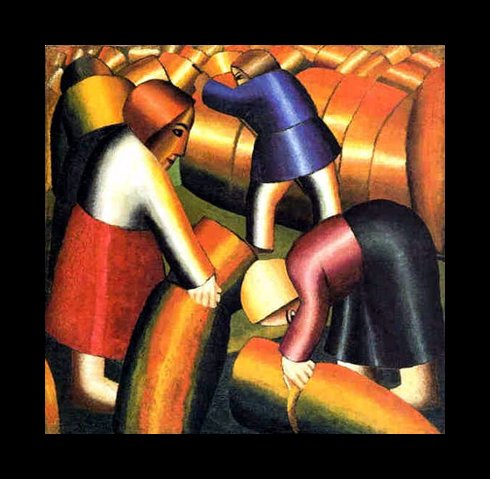
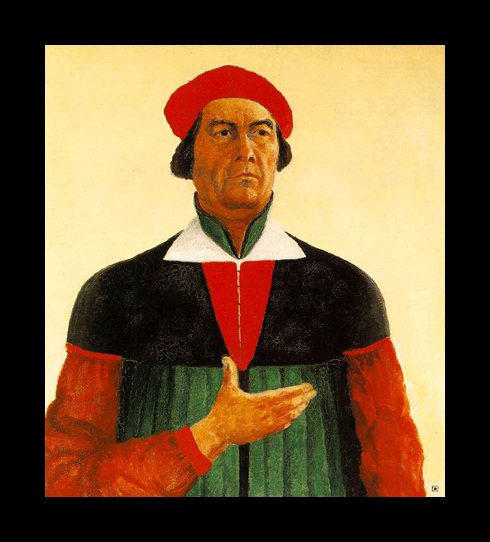
Born to Polish parents near Kiev, Russia, Kasimir Malevich would become one of the founding and most important members of geometric art. After studying at the Moscow Academy of Fine Art, Malevich invented the Suprematists style of painting. He would go on to teach this style in Moscow and Leningrad at the Vitebsk Popular Art School from 1919-1921 to famous students such as Nikolai Suetin, a style that incorporated pure, simple geometric forms and colors. With his students, he formed a group called Unovis that supported and worked in the Suprematist ways. Malevich and others often used this style as their emotional art response to the Russian revolution.

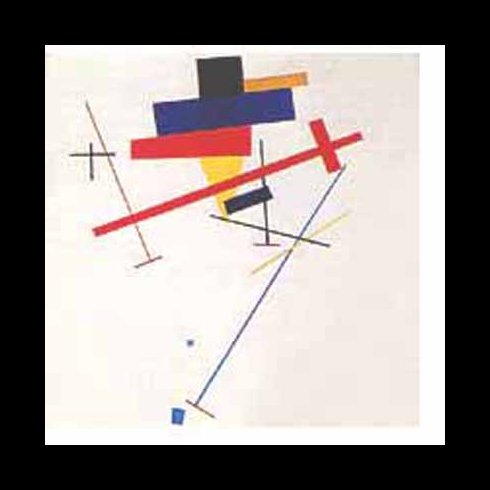
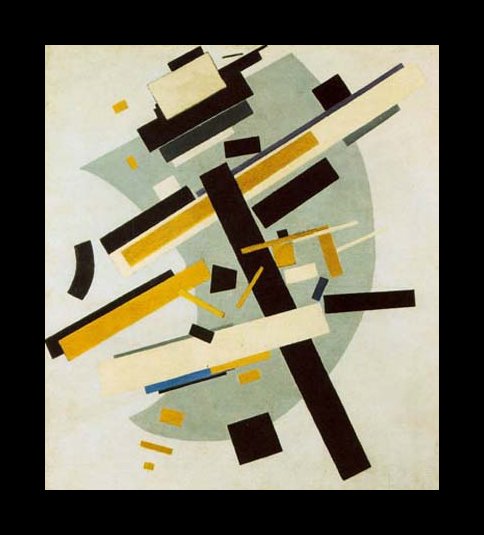
Malevich’s earliest work was primarily that of a post-Impressionist. From 1904-1910, he worked in the studio of artist Fedor Rerberg in Moscow. During this time, Malevich would also be commissioned to create costume and set designs for Russian opera and stage plays. However, by the early 1910s, Futurism and Cubism had entered his artistic sphere, which in turn, played a part in his own geometric style. His theory of suprematism would bring abstract art to a simple and pure state, and this was the way he chose to express himself.
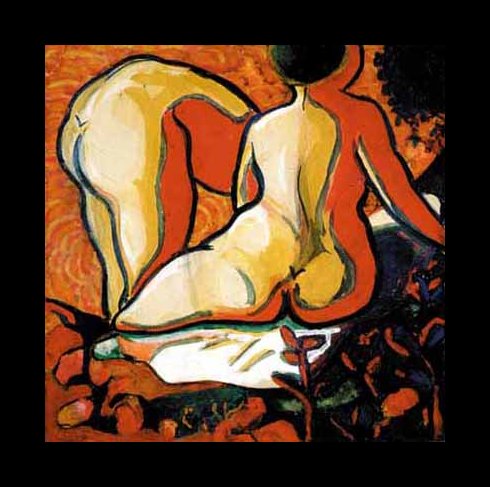
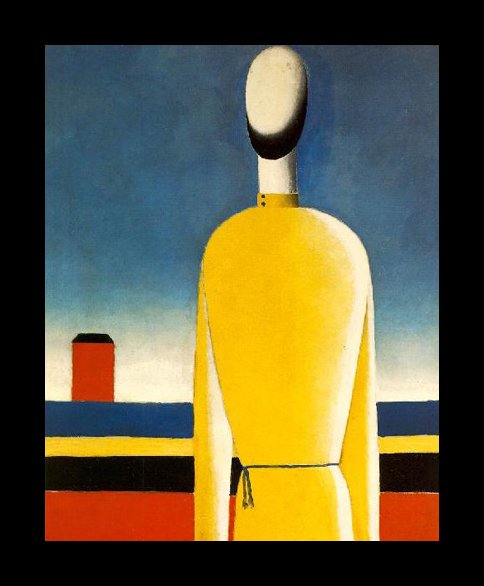
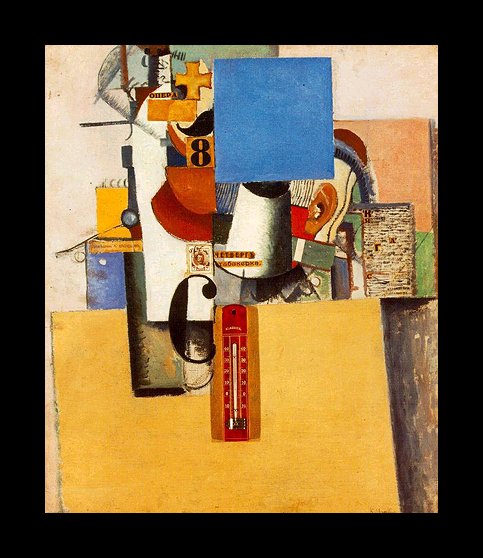
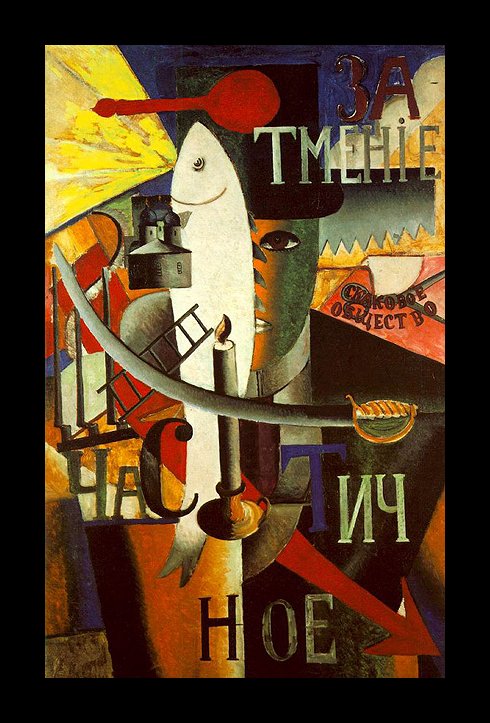
While this new style was extremely popular and Malevich found much success as a Suprematist painter, at times, his compositions caused much confusion. Installers would not know which way to hang his paintings at exhibitions, and because of its simplicity, some of his earliest work was mis-authenticated. One of his most famous paintings, “White on White” was simply white paint on a white canvas, which has been parodied countless times throughout the years. Another, simply titled “Black Square”, which was simply a black square on a white canvas, was also another cause for confusion and speculation.

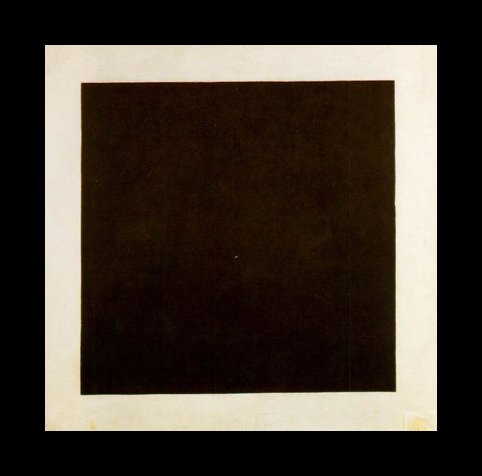
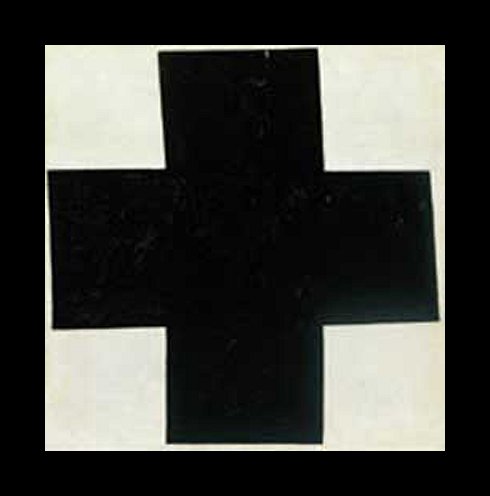
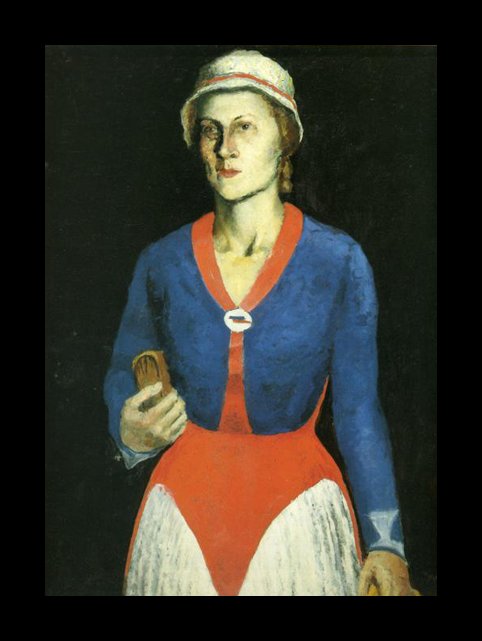
Even though it was Suprematism that made Malevich famous, he only painted in this style for about five years. The rest of his oeuvre is a conglomeration of the different styles he worked with throughout time. Malevich continued to work in this style until the late 1920s when the government began demanding Social Realism onto the nations artists. Some of his work became figurative at this time, but he created and worked less and less. Malevich was even arrested in 1930 because of his connections to German artists. Sadly, he was heavily persecuted and much of his work was destroyed or stolen during this time, and Malevich never seemed to recover, though he continued to create art nearly until his death. He died in poverty in 1935, and although he was the forerunner of a highly influential style of art, remains generally unknown today. During his lifetime, Malevich’s work was shown all over Europe, and today is housed worldwide.