Alfons Mucha (1860-1939)
Get a Mucha Certificate of Authenticity for your painting (COA) for your Mucha drawing.
For all your Mucha artworks you need a Certificate of Authenticity (COA) in order to sell, to insure or to donate for a tax deduction.
Getting a Mucha Certificate of Authenticity (COA) is easy. Just send us photos and dimensions and tell us what you know about the origin or history of your Mucha painting or drawing.
If you want to sell your Mucha painting or drawing use our selling services. We offer Mucha selling help, selling advice, private treaty sales and full brokerage.
We have been authenticating Mucha and issuing certificates of authenticity since 2002. We are recognized Mucha experts and Mucha certified appraisers. We issue COAs and appraisals for all Mucha artworks.
Our Mucha paintings and drawings authentications are accepted and respected worldwide.
Each COA is backed by in-depth research and analysis authentication reports.
The Mucha certificates of authenticity we issue are based on solid, reliable and fully referenced art investigations, authentication research, analytical work and forensic studies.
We are available to examine your Mucha painting or drawing anywhere in the world.
You will generally receive your certificates of authenticity and authentication report within two weeks. Some complicated cases with difficult to research Mucha paintings or drawings take longer.
Our clients include Mucha collectors, investors, tax authorities, insurance adjusters, appraisers, valuers, auctioneers, Federal agencies and many law firms.
We perform Alfons Mucha art authentication, appraisal, certificates of authenticity (COA), analysis, research, scientific tests, full art authentications. We will help you sell your Alfons Mucha or we will sell it for you.

Alfons Mucha was a leading painter in the Art Nouveau movement, born in Moravia. As a child, he showed talent in both singing and painting, but never really received any academic artistic training early in his career. As a young man, he received commissions for executing decorative painting and theatrical design in Moravia, and in 1879 he moved to Vienna to work for a design company.
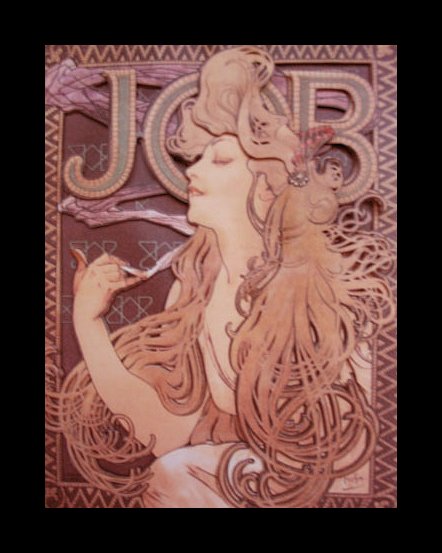

After returning to Moravia, Mucha resumed painting decorative scenes and portraits, and was commissioned to paint a mural for the Count Karl Khuen. The Count was so impressed by his work that he offered to pay for Mucha’s tuition at the Munich Academy of Fine Arts. After studying in Munich, Mucha moved to Paris in 1887 where he continued his studies at the Academie Colarossi and the Academie Juilen.
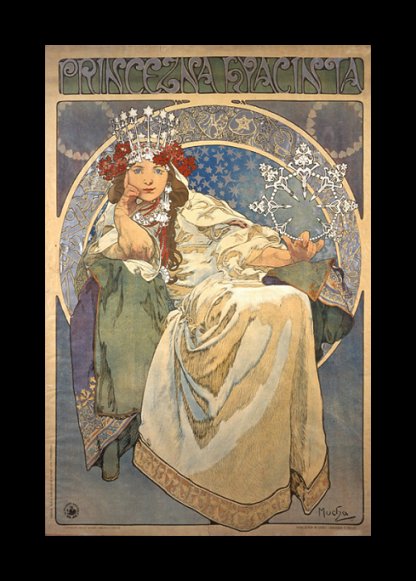
While in Paris, Mucha began to work in advertising and magazines, as so many other Art Nouveau artists of the time did. He also created a number of paintings, posters, illustrations, and also carpet and tapestry design, and even jewelry. In fact, a snake bracelet and ring that he designed for the actress Sarah Bernhardt has been called the finest piece of costume jewelry ever created.
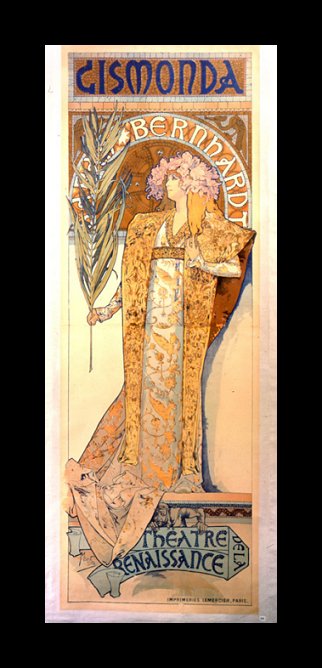
His personal Art Nouveau style would feature young and vibrant woman in neo-classical dress, surrounded by halos of light, flowers and other idyllic scenes. Mucha’s style was often imitated, and quickly became fashionable. While some other artists may have been more prolific or well-known in the Art Nouveau movement, it has been said that Mucha was the most influential of them all.

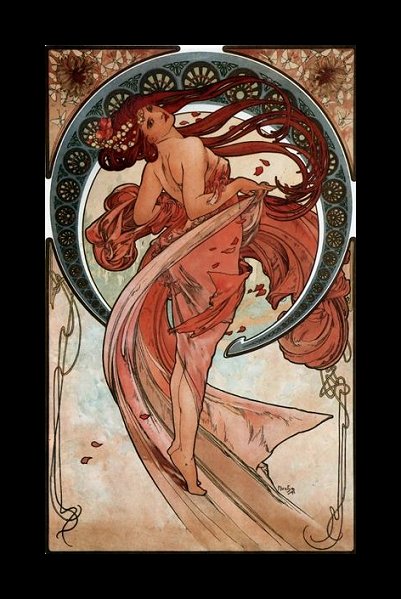
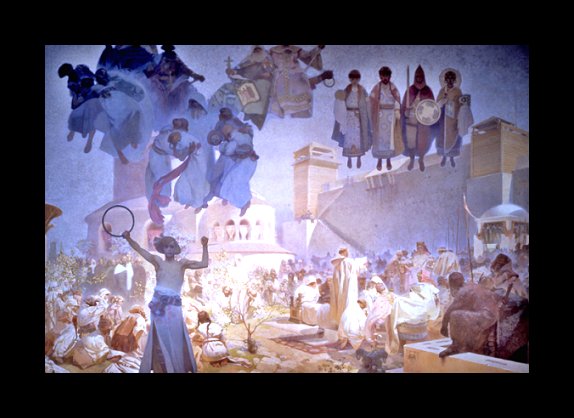
Mucha, however, did not want to associate himself exclusively with this style. He would eventually return to his home country and settle in Prague, focusing more on creating work that reflected his heritage. After World War I, Mucha even designed bank notes and postage stamps for the newly independent country Czechoslovakia. Towards the end of his career, Mucha worked diligently on a series of paintings that he considered his masterworks which documented the history of the Slavic people. This series was gifted by him in 1928 to the city of Prague.

Mucha was arrested by German officials during the outbreak of World War II, and though he was released, he would forever be devastated by this event. Mucha never recovered from the shock of invasion and died in 1939.
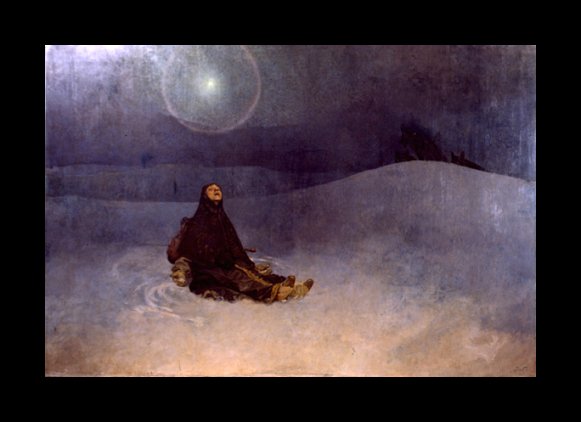
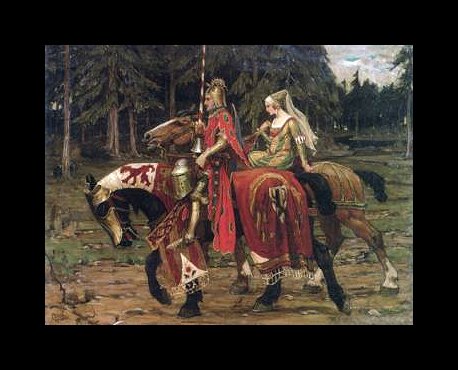
While Mucha is probably best known for his Art Nouveau decoration, posters, and advertising, he was also a proficient painter, and executed a great many paintings during his career. Today, his work is housed all over Europe, and especially in his beloved Prague. Still wondering about an Art Nouveau painting or piece of art hanging in your home? Contact us… it may be by Alfons Mucha.