Synchromism (founded 1912-1913) American Art movement
Do you think you may own a painting from the Synchromist movement? We perform art art authentications, art appraisals, art research and provide Certificates of Authenticity (COA) as well as consultations, for all synchromist paintings.
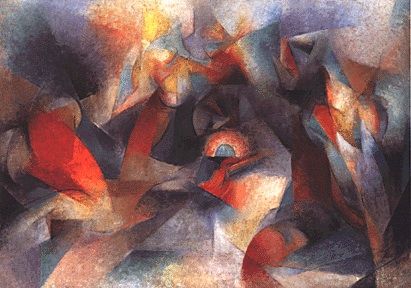
Synchromism was an abstract art movement started by American artists, Stanton MacDonald-Wright and Morgan Russell around 1912. The movement was short-lived, but an important stepping-stone for American Modern Art.
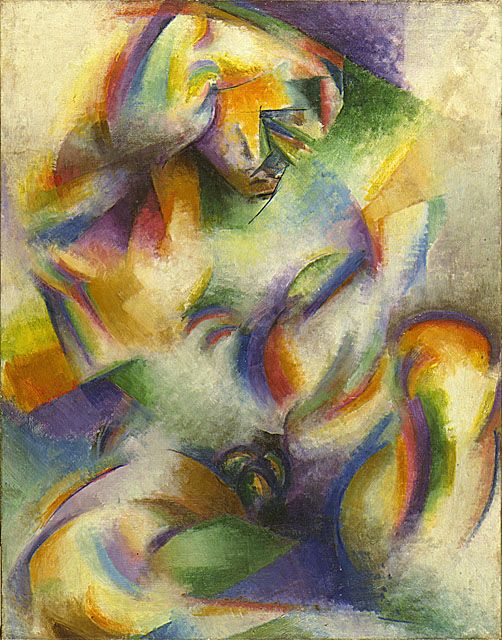
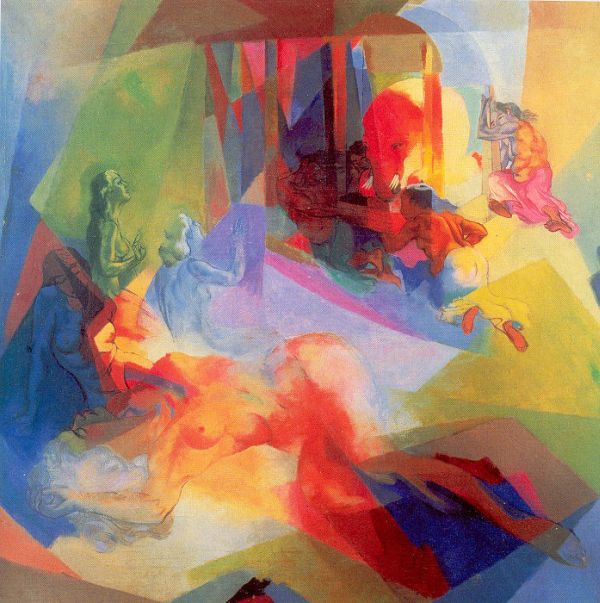
MacDonald-Wright and Russell met while living abroad in Paris. Both artists were greatly influenced by cubism, which was greatly popular in the Parisian art scene. Their work also strongly reference Orphism, which was a movement led by Robert Delauney and Frantisek Kupka.
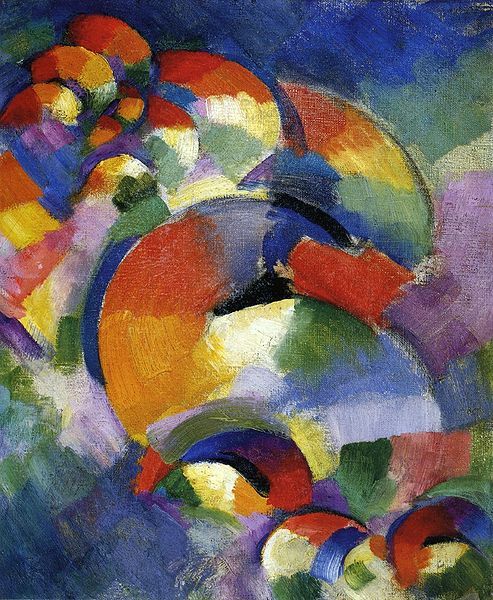
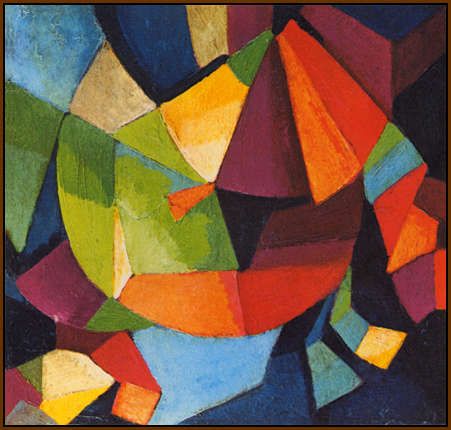
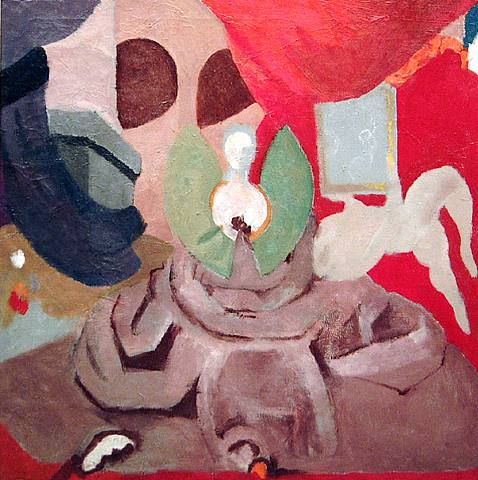
The main difference between cubism and synchromism was the use of color. Synchromists used bright, intense colors to evoke rhythm and harmony. Scales of color were arranged like notes in a musical composition. The abstract works produced were referred to as “synchromies”, often arranged to have a focal point that dispersed into various arrangements of color.
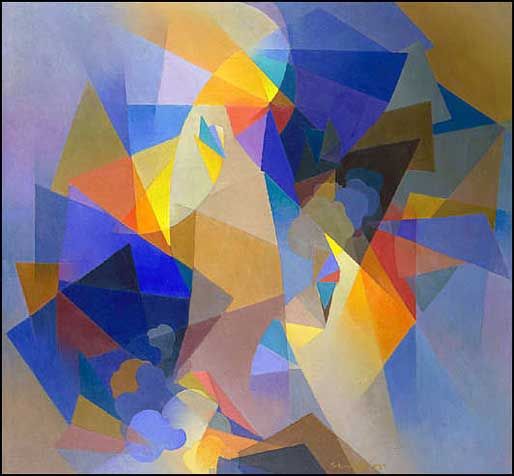
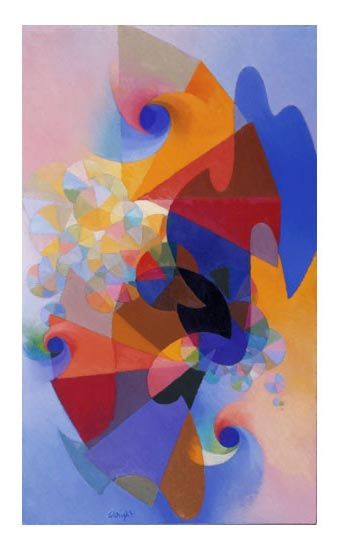
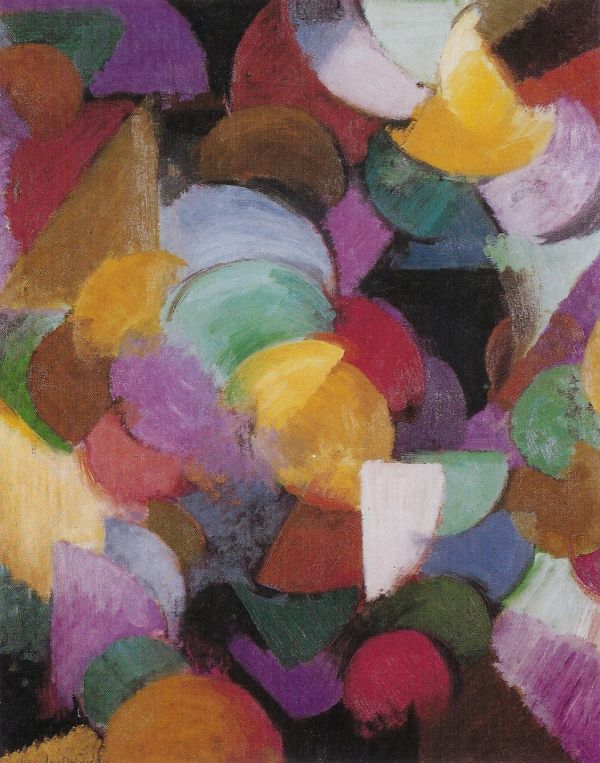
Russell was the first to exhibit as a synchromist, displaying “Synchromy in Green” at the Paris Salon des Indépendants. MacDonald-Wright showed later that same year in Munich. The artists were successful and continued to exhibit the following year in New York and Paris.
Synchromist paintings were among the first abstract, non-representational paintings to exhibit in American art, and marked the first avant-garde movement to be labeled as American.
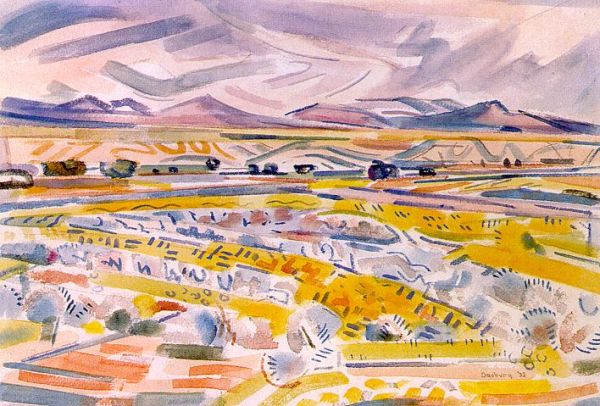
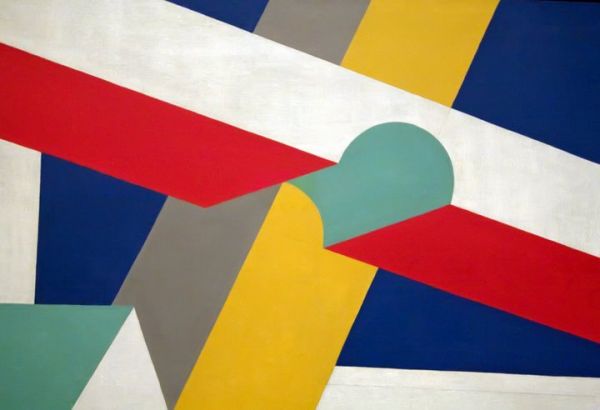
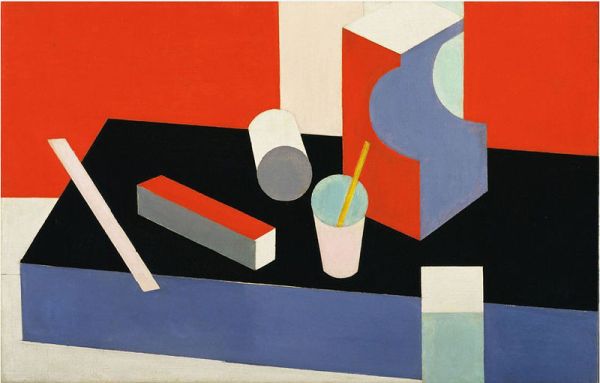
While Synchromists were never large in numbers, American artists, Patrick Henry Bruce, Andrew Dasburg and Thomas Hart Benton were known to use synchromism experimentally.
Synchromist paintings are now in major private collections and museums in New York and across the country. Do you think you own a synchromist painting? Contact us. We are the experts on Synchromism.